Beta-Carotene
Exhibitor Products
Information
Beta-Carotene: A Comprehensive Overview
Introduction
Beta-carotene is a naturally occurring organic compound classified as a carotenoid, which is a group of pigments found in plants and microorganisms. It is renowned for its role as a precursor to vitamin A, a essential nutrient for human health. This document provides a detailed exploration of beta-carotene, covering its chemical properties, sources, biological functions, health benefits, potential risks, and applications in various fields.
Chemical Properties
Basic Information
Beta-carotene, with the chemical formula C40H56, is a terpenoid consisting of eight isoprene units. Its name is derived from the Latin "carota" (carrot) and the suffix "-ene" indicating its unsaturated nature. The molecular structure of beta-carotene features a long polyene chain, which is responsible for its vibrant orange-red color and antioxidant properties. The compound exists in several isomeric forms, with all-trans-beta-carotene being the most common and biologically active.
Physical Characteristics
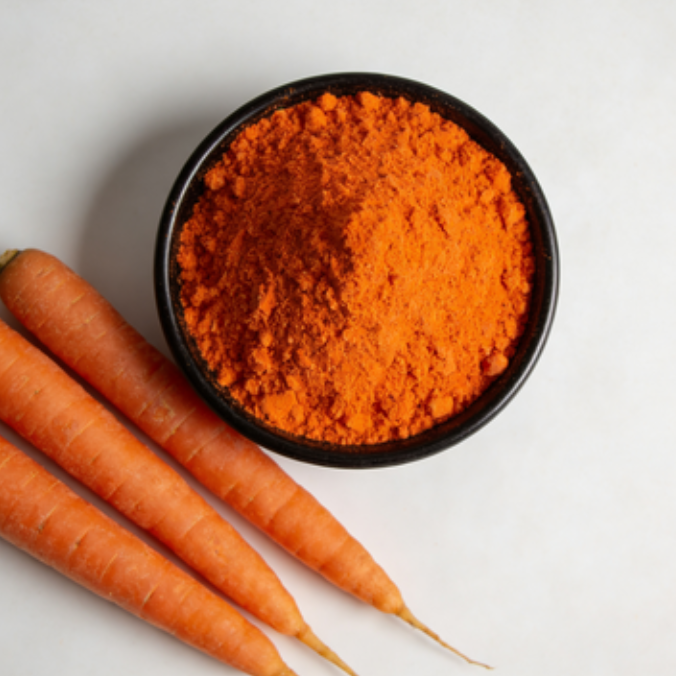
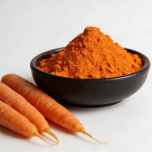
In its pure form, beta-carotene appears as a red-purple to dark red crystalline powder with a slight characteristic odor. It exhibits a melting point of approximately 178-179°C and is practically insoluble in water. However, it demonstrates good solubility in organic solvents such as chloroform, benzene, and acetone. These properties make beta-carotene suitable for various industrial applications, including food coloring and nutritional supplements.
Sources of Beta-Carotene
Natural Occurrence
Beta-carotene is widely distributed in nature, particularly in photosynthetic organisms. It serves as an accessory pigment in chloroplasts, aiding in light absorption during photosynthesis. The richest natural sources include:
Vegetables: Carrots, sweet potatoes, spinach, kale, and broccoli
Fruits: Mangoes, papayas, apricots, and cantaloupe melons
Contract/Third Party Analytical Lab Services
Analyses/Test: AcidityAnalyses/Test: AdditivesAnalyses/Test: AdulterantsAnalyses/Test: AllergensAnalyses/Test: AshAnalyses/Test: Botanicals/HerbsAnalyses/Test: CaffeineAnalyses/Test: CaloriesAnalyses/Test: CarbohydratesAnalyses/Test: CholesterolAnalyses/Test: DensityAnalyses/Test: DisintegrationAnalyses/Test: DissolutionAnalyses/Test: Ethanol/MethanolAnalyses/Test: FatAnalyses/Test: Fiber, Soluble/Insoluble/CrudeAnalyses/Test: Fiber, Total Dietary
Independent Services
Certification, GMOCertification, GMPCertification, HalalCertification, Kosher
Ingredient: Minerals
BoronCalciumChlorideChromiumCopperGermaniumIodineIronMagnesiumManganeseMinerals, Chelated
Ingredient: Related Components
Capsules, Hard (Empty)Capsules, Hard (Filled)Capsules, SoftgelsCapsules, Vegetarian (Empty)Capsules, Vegetarian (Filled)Coatings
Ingredient: Vitamins
Vitamin AVitamin BVitamin CVitamin DVitamin E
Packaging Material
AsepticBottles, CustomBoxes, Shipping/CorrugatedCansCartons, FoldingClosuresCotton, FillDesiccantsFilm, Cellulose AcetateLabels, Pressure Sensitive