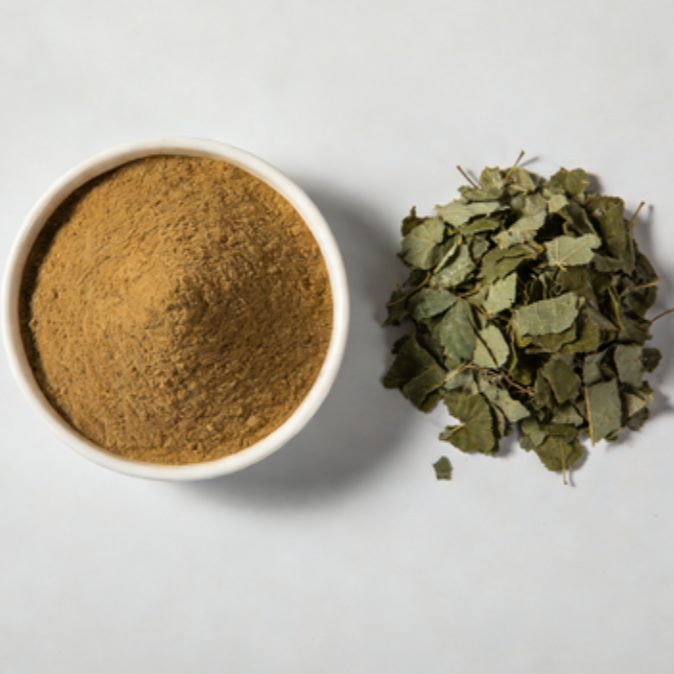
Epimedium Extract
Exhibitor Products
Information
Epimedium Extract: A Comprehensive Overview
Introduction
Epimedium extract, derived from the leaves of various Epimedium species, is a valuable botanical substance with a rich history in traditional medicine and modern applications. This document provides a detailed exploration of its botanical origins, chemical composition, extraction methods, and diverse uses in health and industry.
Botanical Description and Species
Epimedium is a genus of flowering plants in the family Berberidaceae, comprising approximately 65 species. These plants are primarily found in East Asia, including China, Korea, and Japan, with some species extending into Europe and North America. The most commonly used species for extraction include:
Epimedium brevicornu Maxim: Known for its small, horn-like spurs on the flowers.
Epimedium sagittatum (Sieb. et Zucc.) Maxim: Recognizable by its arrow-shaped leaves.
Epimedium pubescens Maxim: Characterized by its hairy stems and leaves.
Epimedium wushanense T.S. Ying: Endemic to the Wushan region in China.
Epimedium koreanum Nakai: Found in Korea and parts of China.
These species thrive in shaded, moist environments such as forest floors and mountain slopes, typically at elevations between 500 and 3000 meters. The plants are perennial, with leaves that are often heart-shaped or lobed, and produce small, colorful flowers in spring.
Chemical Composition
The primary active component of Epimedium extract is icariin, a prenylated flavonoid glycoside. Icariin is considered the chemical marker for standardizing the quality of Epimedium extracts. Other significant compounds include:
Flavonoids: Over 140 different flavonoids have been identified in Epimedium species, including icaritin, desmethylicaritin, and various glycosides.
Lignans: Approximately 31 lignans contribute to the plant's chemical profile.
Ionones: Around 12 ionones are present, adding to the complexity of the extract.
Contract/Third Party Analytical Lab Services
Analyses/Test: AcidityAnalyses/Test: AdditivesAnalyses/Test: AdulterantsAnalyses/Test: AllergensAnalyses/Test: AshAnalyses/Test: Botanicals/HerbsAnalyses/Test: CaffeineAnalyses/Test: CaloriesAnalyses/Test: CarbohydratesAnalyses/Test: CholesterolAnalyses/Test: DensityAnalyses/Test: DisintegrationAnalyses/Test: DissolutionAnalyses/Test: Ethanol/MethanolAnalyses/Test: FatAnalyses/Test: Fiber, Soluble/Insoluble/CrudeAnalyses/Test: Fiber, Total Dietary
Independent Services
Certification, GMOCertification, GMPCertification, HalalCertification, Kosher
Ingredient: Minerals
BoronCalciumChlorideChromiumCopperGermaniumIodineIronMagnesiumManganeseMinerals, ChelatedMinerals, ColloidalMinerals, CoralMinerals, IonicMinerals, Liquid
Ingredient: Related Components
Capsules, Hard (Empty)Capsules, Hard (Filled)Capsules, SoftgelsCapsules, Vegetarian (Empty)Capsules, Vegetarian (Filled)
Ingredient: Vitamins
Vitamin AVitamin BVitamin CVitamin D
Packaging Material
AsepticBottles, CustomCansClosuresCotton, FillDesiccantsFilm, PlasticScoops